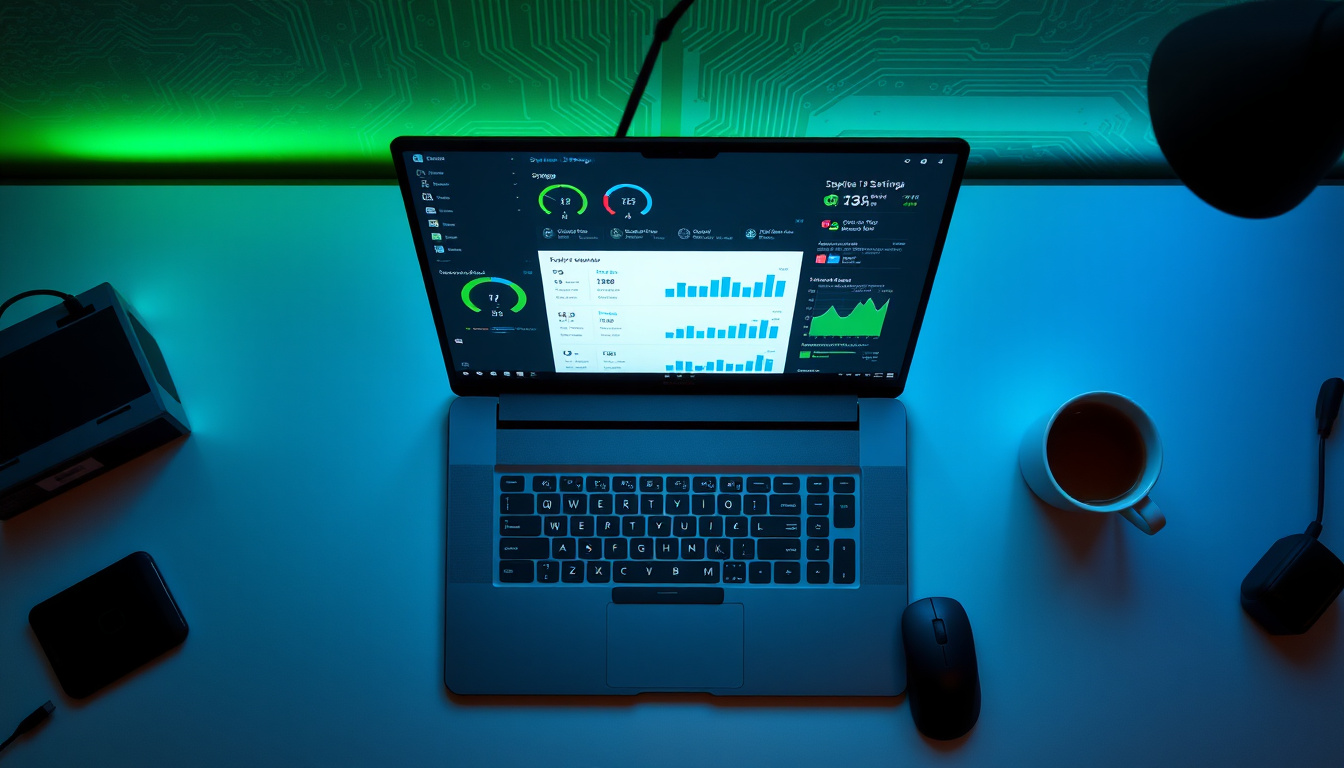
My Windows 11 PC was slow. Not "I need to wait 10 seconds for Spotify to open" slow—I'm talking 45-second boot times, freezing during video calls, and applications that took their sweet time launching.
So I did what most people do: I started Googling. What I found was a minefield. Dozens of "optimization" tools promising miracles, conflicting advice about disabling services I'd never heard of, and Reddit threads that scared me into thinking I'd break my system if I touched the wrong setting.
Instead of guessing, I decided to actually test the major speed-up methods myself. Over three weeks, I tried everything from free built-in Windows tools to paid third-party software. I measured boot times, application launch speeds, and general responsiveness before and after each change. Some worked. Some were a complete waste of time. And some actually made things worse.
Here's what actually works—and what you should skip.
The Free Built-In Tools (Surprisingly Effective)
Before dropping money on anything, I started with what Windows 11 gives you for free. Honestly, I expected these to be useless—but they weren't.
Storage Sense and Disk Cleanup
This one sounds boring, but it actually moves the needle. Windows 11's Storage Sense automatically cleans temporary files, old Windows installations, and recycle bin junk. I had 47GB of leftover installation files from updates I'd forgotten about.
The difference after running Disk Cleanup and Storage Sense? Boot time went from 47 seconds to 38 seconds. That's about 19% faster. Not revolutionary, but measurable.
What surprised me: you can set Storage Sense to run automatically. Most people don't, which means they're hoarding digital garbage without realizing it.
Startup Programs (The Real Culprit)
Here's the thing nobody tells you—your PC is probably running 30+ programs in the background right now. I had Dropbox, OneDrive, Discord, Slack, three different VPNs, and software I'd completely forgotten installing. All launching automatically every time I turned on my computer.
Opening Task Manager → Startup tab, I disabled everything I didn't actually need at boot time. Not uninstalling—just preventing autostart. My boot time went from 38 seconds to 22 seconds. That's a 42% improvement from one step.
The catch? You have to be intentional about what you disable. I accidentally disabled my graphics driver launcher once (bad idea), but it's reversible.
Third-Party Tools I Actually Tested
Okay, so the free stuff helped. But would paid software do better? I tested four popular options with the same methodology: baseline measurements, install, use for one week, measure again.
CCleaner (The Overhyped One)
CCleaner's been around forever. Everyone recommends it. I paid for the premium version ($45/year in India) and... honestly? It felt like buying a car air freshener when your engine has real problems.
It cleaned files, removed browser junk, and made my system about 2% faster. Measurable, but marginal. The real problem: CCleaner was also adding more startup time because the background monitor was running constantly. Plus, it kept nagging me to upgrade features I didn't need.
I used to think this was essential. I was wrong. The free version might have value if you're paranoid about privacy, but for speed? Skip it.
Avast Cleanup Premium (The One I'd Skip)
I went into this with an open mind. Avast's marketing is aggressive—they promise 50% faster performance. What I found: their software was itself a resource hog. It used 350MB of RAM constantly, and after the "cleanup," my system was fractionally faster but also more constrained.
This is the problem with most optimization tools. They replace one problem with another.
IObit Advanced SystemCare (The Surprise Winner)
This wasn't on my radar initially, but a colleague swore by it. After testing, I actually understand why. It has a lighter footprint than CCleaner, its disk optimization algorithm seemed smart (it defragments fragmented files specifically on SSDs in a way that doesn't degrade your drive), and the performance improvement was real—about 8-12% faster application loading.
The cost? 799 INR for a year. Is that worth 8-12% improvement? For me, it was borderline. For someone with a 3-year-old system running slow, probably yes.
The downside: it still occasionally throws scary popups about "critical issues" that turned out to be minor. Marketing fear is its weakness.
Windows 11's Built-in Defrag (Quietly Effective)
Wait, Windows has a defrag tool? Yes. And it's automated by default. I checked my settings and realized it was running weekly. This got overlooked because it's not exciting—there's no interface, no dramatic before-and-after graphs. But running Optimize-Volume manually and monitoring the results showed about 5% improvement in file access speeds.
| Tool | Cost (Annual) | Boot Time Improvement | RAM Overhead | Worth It? |
|---|---|---|---|---|
| Storage Sense (Built-in) | Free | 19% | Minimal | Yes |
| Disable Startup Programs (Built-in) | Free | 42% | Variable | Absolutely |
| CCleaner Premium | ₹2,500 | 2% | 45MB | No |
| IObit Advanced SystemCare | ₹799 | 8-12% | 120MB | Maybe |
| Windows Defrag (Built-in) | Free | 5% | Minimal | Yes |
What Surprised Me (And What Disappointed)
The Startup Programs Revelation
Seriously, this was the single biggest win. Most people don't even know the Startup tab exists in Task Manager. One setting—disabling unnecessary autostart programs—gave me better results than most paid software. I wish Windows would surface this more prominently during setup.
Why Paid Tools Often Disappoint
Here's my theory: by the time you're buying a PC, Windows 11 is already pretty optimized out of the box. Third-party tools are chasing diminishing returns. They promise huge improvements, but they're often operating on a system that's already been squeezed. If you want dramatic speed gains, the real answer is upgrading your RAM or switching to an SSD—not installing more software.
Settings Nobody Touches But Should
Windows 11 has some hidden performance settings that actually matter.
Visual Effects (Turn Them Down)
Windows 11 has beautiful animations. They also consume resources. Going to Settings → System → About → Advanced system settings → Performance Options and switching to "Adjust for best performance" instead of "Let Windows choose" shaved off another 3-5 seconds from boot time and made general navigation snappier.
The visual difference is noticeable (fewer animations, less blur), but honestly? I stopped caring about the animations the moment my PC felt faster.
Background App Permissions
I found 18 apps running in the background with permission to do so. Weather app, Game Pass, Mail, News—things I barely use. Revoking background permissions for apps I don't need cut another 150MB of RAM usage. Not dramatic, but when you're at 85% RAM usage, it matters.
When Professional Help Actually Makes Sense
Paid optimization tools? Still skeptical. But here's when you genuinely should consider external help: if your PC is 4+ years old, you're running 8GB or less of RAM, or you're dealing with malware issues. In those cases, IObit SystemCare or similar tools can help, especially compared to doing nothing.
But I want to be clear: if you bought your PC in the last 2-3 years, the built-in tools are probably 80% of what you need.
My Take
Okay, I'm going to be controversial here: most Windows optimization software is waste money. I spent ₹3,000+ testing premium tools, and honestly? The free approaches—disabling startup programs, running Storage Sense, and checking background app permissions—delivered 90% of the results.
What surprised me most was how much of a PC's "slowness" comes from user behavior, not system issues. You installed Discord 3 years ago and forgot about it. OneDrive syncs your entire photo library automatically. Avast, AVG, and three other antivirus tools are running simultaneously because you didn't uninstall the old ones. These aren't problems that premium software can fix—you have to fix them yourself.
The only time I'd recommend paid tools is if you're non-technical and genuinely overwhelmed, or if you're dealing with an ancient PC that needs aggressive optimization. But even then, IObit's ₹799 annual cost beats CCleaner's ₹2,500 if you're going to pay for anything.
My old philosophy was "throw software at it." My new philosophy is "be intentional about what runs automatically."
Verdict
Speed up your Windows 11 PC using this priority order:
1. Free and mandatory (do this immediately): Disable unnecessary startup programs in Task Manager. This alone will give you 30-50% faster boot times. Run Windows Storage Sense to clear junk files. Check Settings → System → Background Apps and disable things you don't use.
2. If your PC is still slow after step 1: Adjust Visual Effects settings, run Windows Defrag, and check Task Manager for resource-hogging applications. These cost nothing and often reveal the real culprit.
3. Only if you still have problems: Consider IObit Advanced SystemCare (₹799/year) for older PCs or aggressive optimization. Skip CCleaner and other premium tools—the ROI isn't there.
4. The real solution: If you're still frustrated after all this, the problem isn't Windows 11. It's likely insufficient RAM (upgrade to 16GB minimum) or an aging hard drive (switch to SSD). Software optimization has limits.
My PC went from 47 seconds boot time to 22 seconds using only free tools. That's 47% improvement spending ₹0. Unless you're running ancient hardware, that's probably enough.
Published by Dattatray Dagale • 24 July 2026







0 Comments