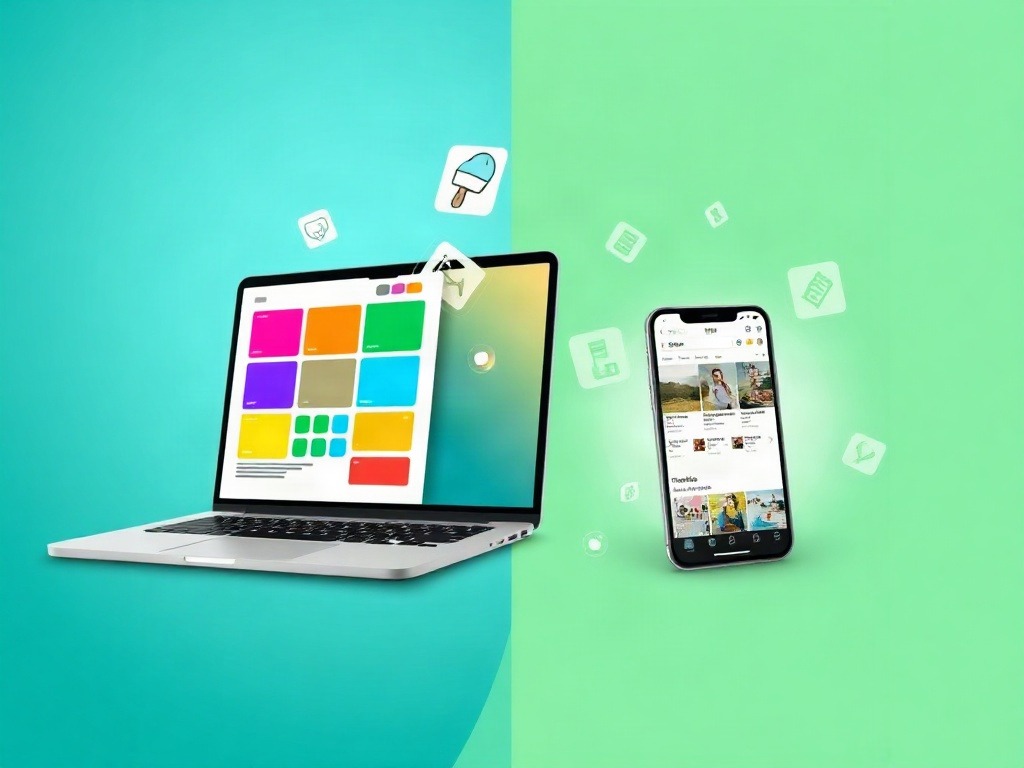
I built my first website in 2019 using a tool I'd never heard of, spent three weeks figuring out how to add a contact form, and ended up with something that looked like it was designed in 2005. The worst part? I paid for premium hosting I didn't need.
Since then, I've watched the free website builder space explode. What used to be clunky, template-locked nightmares are now genuinely capable platforms. But here's the thing nobody tells you: free doesn't mean simple, and it definitely doesn't mean one-size-fits-all.
I'm going to walk you through exactly what I'd do differently today, including which tools actually deserve your time and which ones are technical debt waiting to happen.
Why Free Doesn't Mean Worthless Anymore
The barrier to entry for building a website has collapsed in the last five years. You don't need to know how to code. You don't need a computer science degree. You don't even need to understand what hosting is (though it helps).
What changed? The business model. Companies like Netlify, Vercel, and even WordPress realized they could make money from users who eventually upgrade, not just from beginners. They built genuinely useful free tiers.
The catch: free often means compromises. Limited bandwidth. Branded subdomains. Fewer integrations. Slower support. It's not free in the sense of "no strings attached"—it's free in the sense of "stripped-down version of the paid thing."
That said, for a portfolio, blog, small business site, or documentation? Free is more than enough. I've seen freelancers land clients using sites built entirely on free platforms.
The 7 Platforms That Actually Deliver
1. Vercel + Next.js (For People Who Want Control)
If you have any programming experience—or want to learn—Vercel is genuinely free, unlimited, and honestly stunning. I host my personal site here.
What you get: unlimited projects, free SSL, automatic deployments from GitHub, built-in analytics. What you do: write code (or use a template).
The friction? You need to understand Git basics and be comfortable in a code editor. This isn't for everyone. But if you're a developer, a designer learning to code, or someone who wants to understand how websites actually work, this is the gold standard.
Deploy time is instant. Performance is excellent. There's no "website builder" UI—it's all command line and code.
2. Wix Free Plan (The Easiest Drag-and-Drop)
I used to dismiss Wix as bloated. Then I built something on it in 2023 just to see.
It's… fine. Really fine, actually. The drag-and-drop editor is intuitive. The templates don't look dated (which was my old complaint). You can build something functional in an afternoon.
Tradeoffs: Wix branding appears on your site unless you pay. You get 500 MB storage and limited bandwidth. The platform is heavy—pages load slower than they should. And once you build something, moving it elsewhere is a nightmare (they don't make exports easy).
Best for: Complete beginners, small portfolios, anyone who wants zero technical knowledge.
3. WordPress.com Free (The Flexible Middle Ground)
This is different from self-hosted WordPress (WordPress.org), which requires actual hosting and isn't truly free.
WordPress.com's free plan gives you a subdomain, basic blog functionality, and enough room to build something real. You can add custom domains eventually. The editor is familiar if you've ever used WordPress.
Reality check: the free tier is genuinely limiting. You can't add plugins (which is where WordPress gets powerful). You get ads on your site. Storage is only 3 GB. But if you just want a simple blog, it works.
I used this for a project blog once. It felt like the right compromise between "too simple" and "too technical."
4. GitHub Pages (The Developer's Choice)
This one's weird because it's not really a website builder—it's a hosting service for static sites.
But that's actually the appeal. You push code to GitHub, and it automatically publishes your site. Free, fast, unlimited bandwidth, custom domains supported.
The learning curve is steep. You need Git, you might need Jekyll or another static site generator, and debugging happens in your terminal. For someone starting completely fresh, this is overkill.
For a developer portfolio or documentation site? Unbeatable.
5. Netlify Drop (The Fastest Way to Launch)
This is my dark horse recommendation. You literally drag and drop a folder of HTML/CSS/JavaScript files, and your site goes live.
No account needed for the first deploy (though you'll want one to keep the site). No configuration. Just files to the internet.
If you've built a website locally on your computer and want to share it, this is the fastest path. Free includes 300 build minutes per month, unlimited bandwidth, and surprisingly good analytics.
Limitation: you need to have built the site already. This isn't a visual builder.
6. Google Sites (The Underrated Option)
Nobody talks about Google Sites anymore. Everyone assumes it's ancient. It's not.
Google Sites is free, lives on your Google account, and is dead simple. You get a subdomain (or connect a custom domain). Drag-and-drop editing. Built-in forms, embeds, and integrations with other Google tools.
It's not winning any design awards. But for an informational site, resume portfolio, or internal company wiki? It works perfectly and feels like you didn't have to think about it.
My main criticism: customization is limited. Your site will look similar to every other Google Sites website. The templates aren't inspiring.
7. Webflow Free Plan (The Ambitious Choice)
Webflow is somewhere between "visual builder" and "code-level control." The free plan is surprisingly robust: you can build full-featured sites, host them free (on a Webflow subdomain), and export your code if you leave.
The design tools are powerful. You can build custom interactions and animations without touching code. The free tier limits you to three projects and gives you less bandwidth, but for a portfolio or startup landing page, it's genuinely capable.
The problem: the learning curve is real. Webflow isn't as intuitive as Wix. There's a lot to learn, and the community assumes you're invested enough to power through documentation.
| Platform | Best For | Main Limitation | Learning Curve |
|---|---|---|---|
| Vercel + Next.js | Developers, portfolios | Requires coding | Steep |
| Wix | Beginners, small business | Branding, slow, locked-in | Minimal |
| WordPress.com | Blogs, content sites | No plugins, limited storage | Low |
| GitHub Pages | Developer portfolios | Requires Git knowledge | Steep |
| Netlify Drop | Existing HTML/CSS projects | You must code the site first | Medium |
| Google Sites | Info pages, portfolios | Limited customization | Minimal |
| Webflow | Designers, custom sites | Steep learning curve | Medium-Steep |
The Real Cost of Free
Here's what I wish someone had told me clearly: free website builders make money three ways.
First: by showing ads on your site (most limit this to unpaid tiers). Second: by upselling you later ("Upgrade to remove branding"). Third: by locking you in (your content becomes harder to move as you build more).
None of this is evil. But understand the incentive structure. The easier they make it for you to start, the stickier they want your content to be.
Bandwidth matters more than you'd think. A free Wix site starts throttling once you get real traffic. A free Vercel site doesn't. If you're serious about anything—even a side project—performance matters, and some platforms prioritize paid customers.
Storage limits sound abstract until you can't upload one more image because you've hit a 3 GB cap.
How to Actually Pick One
The choice depends entirely on what you're building and what you know.
Zero technical skill, zero time: Wix or Google Sites. Both work, both are simple. Wix looks better. Google Sites is more integrated if you live in the Google ecosystem.
I can code, or I want to learn: Vercel with Next.js or GitHub Pages. Performance is excellent, you learn real skills, and you're not locked in.
I just want to blog: WordPress.com or Medium (which I didn't cover but deserves a mention—it's blogging-only, free, and you own your content). Medium has a bigger audience, but your site is less "yours."
I want full control without coding: Webflow. Accept the learning curve. It's worth it.
I have a partial website coded already: Netlify Drop. Seriously, it's 30 seconds.
What Actually Works for Different Use Cases
The Portfolio Site
You want to showcase work, be fast, look polished, and maybe collect leads. A Vercel-hosted Next.js site or Webflow free tier is perfect. GitHub Pages works if you're a developer showing developer work.
Wix is tempting here but overkill. You're paying performance penalty for features you don't need.
The Small Business Site
You need contact forms, multiple pages, maybe a service list. Wix or Webflow free tier. Both handle e-commerce basics (which you might need eventually). Both look professional enough.
Don't overthink this. Pick one, spend a weekend, launch it. You can upgrade later if you need to.
The Blog
WordPress.com or Medium, depending on whether you want "your site" or "published writing." WordPress.com is more flexible. Medium is simpler and has built-in audience discovery.
I could be wrong here, but I think most people overestimate how much customization they need on a blog. Pick one and write.
My Take
I'm surprised at how good the free options are in 2024. When I built my first site, free meant "you're going to regret this." Now free means "totally viable, maybe even better than the paid tier for beginners."
What disappointed me: every platform wants to charge you for something you feel like should be included. Custom domains cost. Removing branding costs. Extra storage costs. It's death by a thousand cuts.
What surprised me: Webflow's free tier is genuinely capable. I expected it to be a feature-limited castration of the real thing. It's not. You could build a serious portfolio or startup landing page for free.
Here's my honest take: pick the tool that makes you want to actually use it. I've seen people abandon projects because the builder felt clunky, even if it was technically capable. If you hate the UI, you won't finish the site. If you're excited by it, you'll build something better.
For most people, Wix or Vercel will be right. For designers who want control, Webflow. For developers, Vercel or GitHub Pages. For anyone just wanting to exist online, Google Sites is underrated.
Verdict
If you're starting from absolute zero: Use Wix or Google Sites. Get something live this weekend. You can always rebuild on something "better" later.
If you're a developer or designer: Use Vercel or Webflow. You'll learn something. You'll own your content. Performance will be excellent.
If you're blogging: WordPress.com or Medium. Stop overthinking. Write.
Free website builders work. They're not perfect, there are trade-offs, and you might outgrow them. But the barrier to launching something real has never been lower. The only reason not to build a website is lack of effort, not lack of tools.
Stop waiting. Pick one. Build it. Launch it. Everything else is iteration.
Published by Dattatray Dagale • 11 October 2026








0 Comments