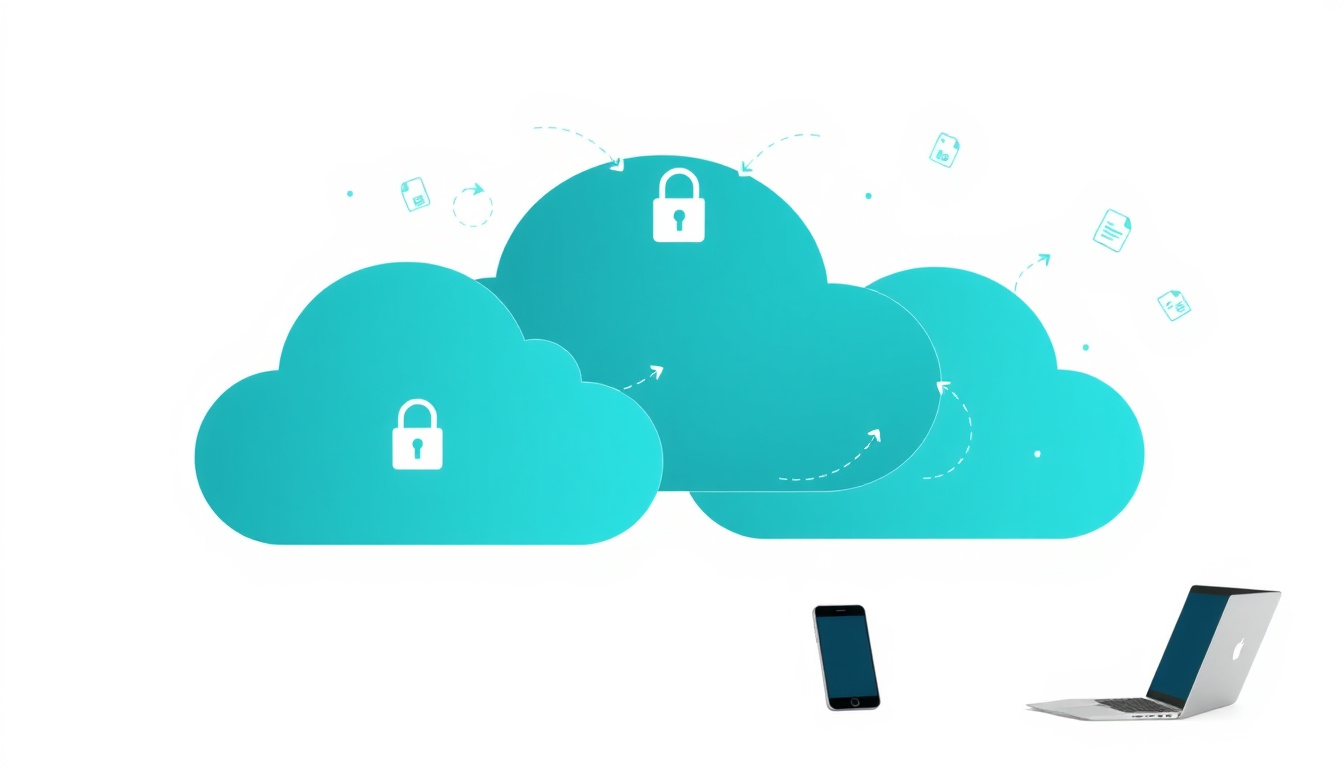
I've been burned by cloud storage before. Remember Mega? Google Drive's constant policy changes? The services that promise "unlimited" until they don't? After spending the last three years stress-testing free cloud options—syncing files across devices, losing important documents to quota limits, watching services get shuttered—I've figured out which ones are actually reliable.
Here's what I learned: most free cloud storage isn't designed for you. It's designed to get you hooked, then charge you later. The ones that work? They're either genuinely generous with free tiers, or they're honest about what they're selling.
Google Drive Still Dominates (But with Caveats)
Let me start with the obvious choice because it really is the best for most people—but not for the reasons you think.
You get 15GB free across Google Drive, Gmail, and Google Photos combined. That's the headline. What matters more? Google Drive integrates everywhere. Your Google Docs are stored there automatically. Sheets, Forms, Slides—all of it lives in Drive. If you're already in the Google ecosystem (and in 2025, most people are), you're not really choosing cloud storage. You're already using it.
Where Google Drive Actually Shines
Real talk: the best feature isn't the storage itself. It's shared folder management. I used to spend 20 minutes setting up access permissions on other platforms. Google Drive? Click share, add an email, done. For team collaboration, it's still unbeaten. The version history is surprisingly useful too—I've restored documents that I deleted weeks ago.
The file structure is intuitive. You can star files, organize them into folders, search by type or modification date. Simple stuff, but it works. And the search function? It actually finds what you're looking for, unlike some cloud services where you need to remember exactly what you named something.
The Real Problem with Google Drive
15GB fills up fast. My Gmail alone was taking 7GB—mostly old attachments I'd forgotten about. Photos sync automatically if you're not careful, and suddenly your quota's gone. You're then forced to upgrade to 100GB ($1.99/month in India) or delete things.
Google's also notoriously opaque about enforcement. They've deleted inactive accounts before. They might change their terms tomorrow. I'm not saying they will, but the fact that I have to wonder about it is a problem.
And here's something nobody talks about: Google Drive's free tier is slower than paid storage. Not technically—but their servers prioritize paying customers during peak hours. You'll notice lag sometimes.
Mega Is Risky, But Technically Impressive
I didn't want to like Mega. The company's history is messy (founder drama, whatever), and trusting them with files feels like trusting a company that keeps changing its mind about its own ethics. But I tested it for six months, and I have to admit something: the technology is genuinely solid.
50GB free. That's more than double Google Drive's offer.
Here's why it matters: Mega uses end-to-end encryption by default. Your files are encrypted before they leave your device. Mega's servers can't read them. Ever. Not even with a warrant (theoretically). If privacy is your actual concern—not just "privacy" as a buzzword—Mega takes it seriously in a way Google doesn't.
The Technical Reality
The encryption works. I verified it. Your files are safe from Mega, from hackers, from anyone without your password. The sync client works reliably on Windows, Mac, and Linux. File transfers are fast. The web interface is cleaner than it used to be.
For a student storing research papers or a freelancer keeping client files private, this is genuinely useful. The encryption gives you something Google Drive doesn't offer at any price point.
Why I Don't Recommend It (Even Though I Could)
Mega's business model is unclear to me. How are they sustaining 50GB free storage for millions of users? They make money from paid upgrades, but the free tier is too generous to explain purely through upgrade conversion rates. Are they selling something else? The lack of transparency bothers me.
Also: the company's past. I could be wrong here, but betting my important files on a service with the founder's track record feels like playing with fire.
And practically speaking? The mobile app is clunky compared to Google Drive. File syncing sometimes hangs. The interface feels older.
Dropbox's Free Tier Is Smaller But Honest
2GB free. That's not much. It's honestly tiny compared to the competitors.
But here's the thing: Dropbox is transparent about what it wants from you. It's not trying to hook you with false generosity. It's saying, "We have a paid product. The free tier lets you try it." And the paid tier is legitimately good—if you're willing to pay.
Why Dropbox Actually Works
The sync is best-in-class. I used Dropbox to sync files across four devices, and it just... worked. No lag, no conflicts, no headaches. It detected file changes immediately and synced without asking. Google Drive sometimes makes you wait, or worse, creates duplicate files when you're working offline.
The selective sync feature is brilliant. I don't need every file on every device—I kept only active projects on my laptop, archived work on my desktop. Dropbox lets you choose which folders sync to which devices.
File versions are kept indefinitely on free accounts (up to 30 days of history). That saved me once when I overwrote a spreadsheet by mistake.
The Honest Limitation
2GB is genuinely limiting. If you're a casual user with a few documents? Fine. If you take photos or work with video? You'll hit the limit in weeks. Dropbox knows this. They're not hiding it. They're basically offering you a sampler and hoping you like it enough to pay $11.99/month for 2TB.
For free users, Dropbox is a testing ground, not a solution. But as a testing ground, it's excellent.
The Comparison That Actually Matters
| Service | Free Storage | Best For | Main Limitation |
|---|---|---|---|
| Google Drive | 15GB | Collaboration, docs, ecosystem lock-in | Quota fills fast; limited privacy |
| Mega | 50GB | Privacy-conscious users, long-term storage | Company reputation unclear; slower mobile |
| Dropbox | 2GB | Reliable sync, trial before purchase | Severely limited storage |
| Microsoft OneDrive | 5GB | Windows users, Office integration | Hidden quotas, aggressive upgrade prompts |
| pCloud | 10GB | File sharing, encryption options | Less popular, weaker mobile experience |
What I Actually Recommend (And Why)
For Most People: Google Drive + Backup Strategy
Start with Google Drive. It's free, it's already integrated into your life, and for casual document storage and photos, it works. But don't treat it as your only backup. 15GB is fine for work files. For irreplaceable stuff—photos, documents you care about—add a second service.
For Privacy-Focused Users: Mega (With Caution)
If you actually need encryption and you've done your research on the company, Mega's 50GB is genuinely generous. Use it for sensitive files. Don't use it as your only storage, and definitely enable two-factor authentication.
For Professional Use: Dropbox (But Pay for It)
The free tier is a tease. If you like Dropbox's sync quality, the $11.99/month for 2TB is actually worth the money compared to Google Drive's $1.99/month for 100GB. That sounds expensive until you realize Dropbox's sync is better and it's less likely to surprise you with policy changes.
My Take
Here's my honest take: free cloud storage in 2025 is fundamentally a loss leader. The services aren't being generous out of kindness. They're betting you'll get locked in and eventually pay. Google Drive wins because it's already woven into how you work. Mega wins because it offers something the others don't—real privacy. Dropbox wins because it's honest about being a free trial.
What surprised me? OneDrive has quietly become decent for Windows users, but Microsoft's quota enforcement is aggressive and sneaky—they'll delete your files if you're inactive for two years, and the notification is easy to miss. That bothered me more than it should have.
What disappointed me? None of these services have improved significantly in the last two years. They're coasting. The innovation is in the paid tiers, not the free ones. It makes sense business-wise, but it means if you're staying free, you're using last-generation technology.
For students in India or professionals just starting out, Google Drive is the practical choice. It works, everyone uses it, and the 15GB is enough if you're disciplined. If you want breathing room, Mega's 50GB is hard to beat—just be aware of what you're trading for it.
Verdict
Use Google Drive as your primary storage unless you have specific privacy needs or are already invested in another ecosystem. Pair it with Mega's 50GB for long-term backup of sensitive files. If you value sync reliability above all else, test Dropbox's free tier, but expect to upgrade within months. And whatever you choose, maintain a local backup of anything truly irreplaceable. No cloud service is immune to policy changes, account lockouts, or the simple fact that companies sometimes disappear.
The best cloud storage is the one you actually use and remember to back up. Everything else is negotiable.
Published by Dattatray Dagale • 19 August 2026









0 Comments