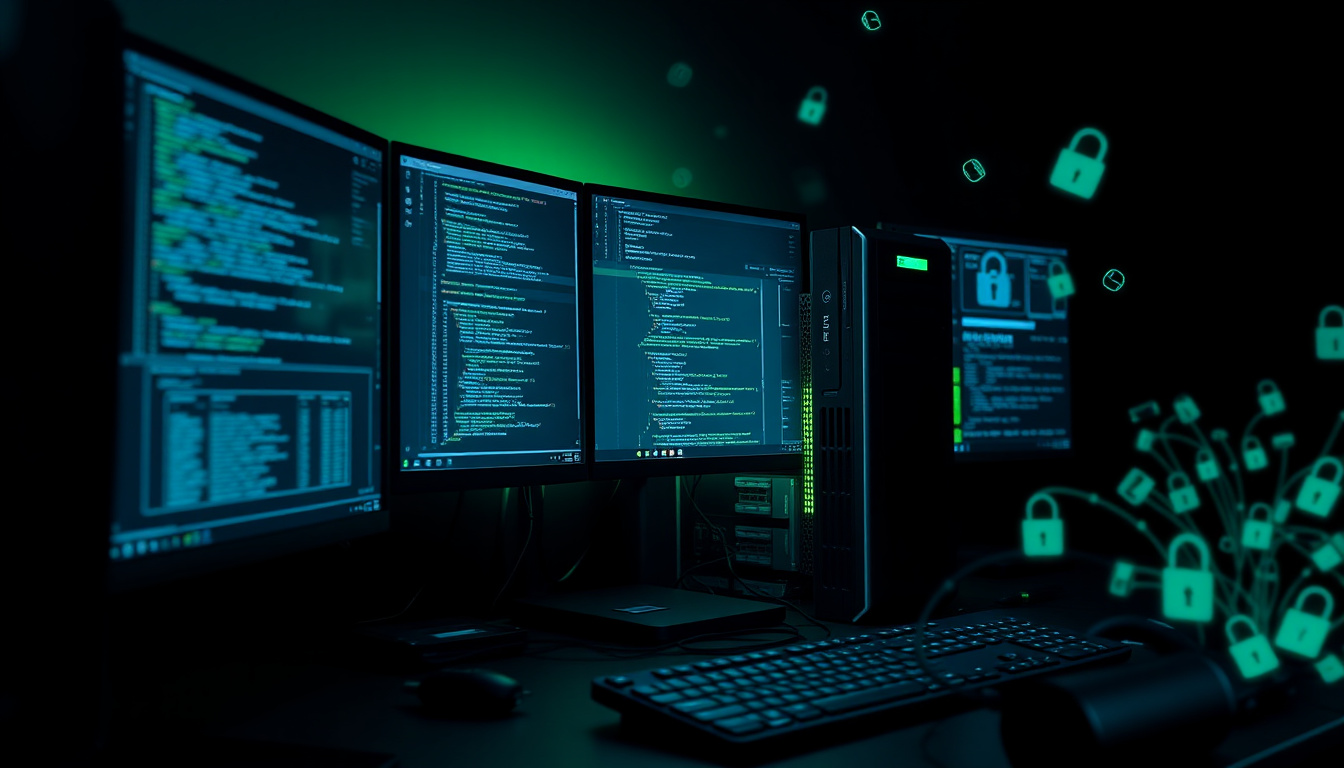
I spent way too much money setting up my first cybersecurity home lab. Like, embarrassingly too much. Virtual machines, enterprise-grade networking equipment, multiple monitors, the whole setup that makes you feel like a hacker from a Hollywood movie. Six months later, I realized I was learning nothing that required 90% of that hardware.
So I rebuilt. Smaller, smarter, free where possible. And honestly? This second iteration taught me more in three weeks than the first one did in six months.
If you're thinking about building a home lab for cybersecurity learning — whether you're a student, career-switcher, or professional trying to upskill — you don't need to spend what I did. You need to be strategic. I tested five different setups, ranging from "basically free" to "this costs as much as a laptop," and I'm going to walk you through what worked, what didn't, and why.
The Bare Minimum Setup (Free-₹5,000)
Let's start here because this is where most people should start, honestly.
What You Actually Need
One computer. That's it. If you already have a laptop or desktop, you can begin learning cybersecurity right now without buying anything else. I'm not exaggerating.
Your machine just needs VirtualBox (free) or VMware Player (free tier exists), enough RAM to run two VMs at once (8GB minimum, 16GB better), and an internet connection. That's the whole lab. You can run Linux distributions, vulnerable applications, and practice penetration testing entirely on your existing hardware.
The free VMs I used most:
- VulnHub images — Pre-built vulnerable Linux VMs specifically designed for practicing exploitation. Download, run, break. No setup required.
- DVWA (Damn Vulnerable Web Application) — Web security training in a box. Runs in VirtualBox like it's nothing.
- Metasploitable 2 — An intentionally broken Linux system for learning penetration testing tools.
This cost me ₹0 after the initial hardware investment. The learning curve? Steep at first, but realistic.
The Reality Check
Single-machine labs have limitations. You can't practice network segmentation properly. You can't simulate realistic attack scenarios with multiple systems. And your laptop will sound like a jet engine if you run three VMs simultaneously (mine did, anyway).
But here's the thing: if you're just starting, those limitations don't matter. You need to understand concepts before you worry about network topologies. Do this first. Move up later if you need to.
The "Actual Lab" Approach (₹15,000-₹35,000)
This is where things get interesting. You're not buying enterprise equipment, but you're building something that actually resembles a real network environment.
Using a Secondary Computer or Refurbished Machine
I bought a used Dell Optiplex desktop from a local refurbished dealer for ₹18,000. 8GB RAM, decent processor, nothing fancy. This became my "lab server." It runs constantly, hosts VMs, and actually gave me the isolated environment I needed.
The alternative: Buy a Raspberry Pi (₹4,000-₹6,000) with external storage. It won't handle intensive penetration testing, but for learning network protocols, setting up vulnerable services, and practicing forensics, it's enough. I used a Pi for three months before upgrading, and it was genuinely useful.
Combined with my laptop running attacker tools, I suddenly had a realistic two-system network to practice against.
Network Setup That Actually Works
Here's where I made mistakes. I thought I needed fancy networking gear. I didn't.
A simple network switch (₹3,000-₹5,000) and Ethernet cables let you create an isolated lab network. Connect both machines, configure internal networking in VirtualBox, and you have segmentation. You can practice man-in-the-middle attacks, network scanning, and traffic analysis without touching your actual internet connection.
I used to think this was overkill. But the moment I created an isolated network, my learning changed. No more paranoia about accidentally breaking something on your home network. No more "wait, is this traffic going to the internet?" uncertainty.
This setup cost me ₹28,000 total, and it was the first one where I felt like I was learning in a proper environment, not just playing with VMs on a laptop.
The Over-the-Top Setup (₹50,000+)
I need to tell you about this because I tried it, and honestly, most people don't need it.
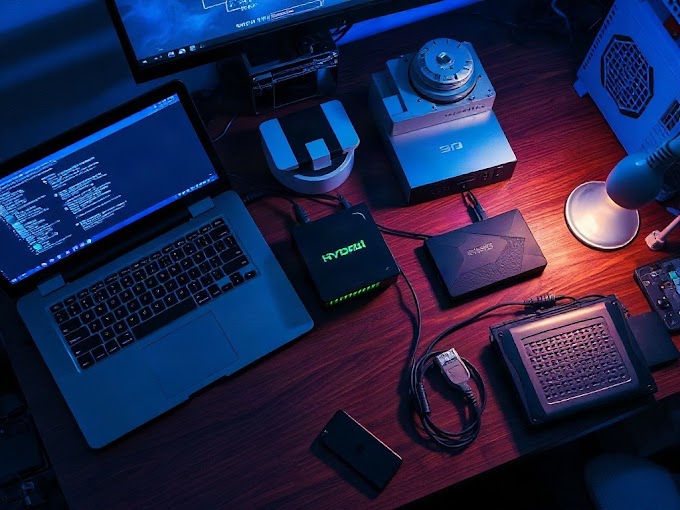
This is: multiple computers, enterprise networking equipment, network switch, firewall VM, IDS/IPS systems, dedicated attacker machine, and enough monitoring tools to make you feel important. Total spend? Around ₹60,000-₹80,000 if you do it right.
Here's what surprised me: I learned less faster. With everything set up perfectly, I spent more time managing the lab than using it. Updating systems, maintaining documentation, fixing networking issues that only matter in 2% of real-world scenarios.
The only scenario where this made sense was when I was specifically preparing for an advanced penetration testing certification. For learning the fundamentals? Massive overkill. It felt impressive but inefficient.
Comparison Table: Which Setup Should You Actually Use?
| Setup | Cost | Best For | Main Limitation |
|---|---|---|---|
| Single Machine + VMs | ₹0-₹3,000 | Absolute beginners, understanding fundamentals | Can't practice networking, hardware gets hammered |
| Laptop + Refurbished Desktop | ₹15,000-₹25,000 | Intermediate learners, network practice, real environment feel | Still limited to 2-3 VMs total, basic networking only |
| Multi-Machine Network | ₹35,000-₹50,000 | Serious learners, professionals preparing for certifications | High maintenance, easy to overcomplicate |
| Enterprise-Style Lab | ₹60,000+ | Advanced learners, penetration testing focus, research | Overkill for learning, expensive to maintain |
Software and Tools You Actually Need
This is where people get confused. They think they need expensive tools. They don't.
Free essentials: VirtualBox (runs everything), Kali Linux (penetration testing distribution), Wireshark (packet analysis), Metasploit (exploitation framework), Burp Suite Community Edition (web security), and OWASP ZAP (web vulnerability scanning).
I used these exact tools and learned more than I did with premium versions costing ₹20,000-₹100,000 per year. The premium versions add convenience and advanced features, but the fundamentals are identical.
The only paid tool I'd justify in a learning context is Burp Suite Professional (₹25,000/year) if you're specifically focusing on web application security professionally. But even then? Community edition works for learning.
My Take
I used to think a "proper" home lab meant shiny equipment and a big budget. I was wrong, and I wasted money because of it.
The truth is uncomfortable: your first lab should be boring. Single machine, free VMs, maybe a small network setup if you're patient. You won't feel like a hacker. You'll feel like someone working through documentation in their room, which is exactly what you should feel like when you're learning.
The expensive setups teach you how to maintain complex systems, not cybersecurity fundamentals. Those are different things. If you're just starting out or learning for a career switch, that distinction matters.
I'd take the "Laptop + Refurbished Desktop" setup (around ₹25,000) over anything more expensive for most people. It forces you to think about networking, gives you hardware that won't throttle under VM load, and costs less than a decent gaming setup. You'll actually finish projects instead of getting lost maintaining your lab infrastructure.
One more thing: I thought I needed everything isolated and secure from day one. Turns out, making mistakes in a home lab is how you actually learn. Let it break. That's the point.
Verdict
Start with what you have. If your laptop can run VirtualBox, begin today. Download VulnHub images and practice for free. This will teach you if cybersecurity learning is actually interesting to you (it might not be, and that's valuable information).
If you're serious and past the "I'm just curious" phase: Invest ₹20,000-₹25,000 in a used desktop and networking gear. This is the Goldilocks zone — real enough to feel like practice, cheap enough not to hurt if you lose interest, powerful enough to learn properly.
Skip the expensive stuff. You don't need ₹50,000+ equipment unless you're specifically preparing for advanced certifications or already working in security. Even then, most of that cost is about convenience, not capability.
Build small. Learn fast. Upgrade when you hit real limitations, not imaginary ones. That's the home lab strategy that actually works.
Published by Dattatray Dagale • 09 August 2026





0 Comments