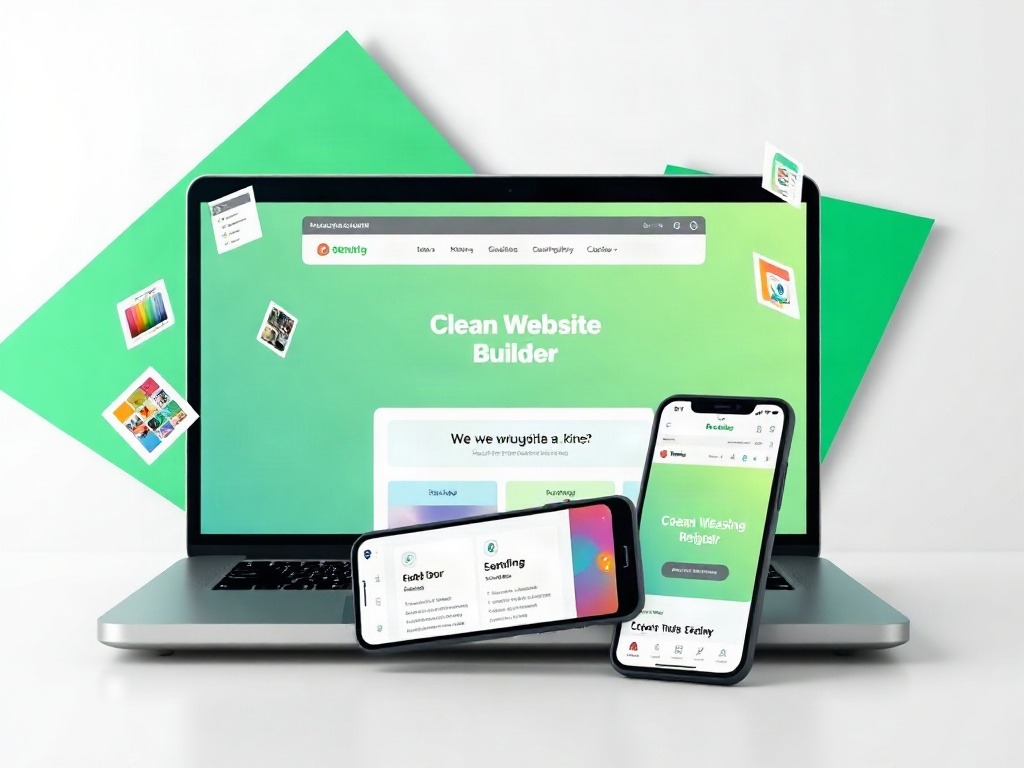
I spent ₹15,000 on a website builder in 2015. Then I realized I could've done it free. That's the story I'm about to save you from living.
Look, I get it. You want a website but the word "free" makes you suspicious. And rightfully so—most free website builders are either so limited they're useless or so bloated with ads they look unprofessional. But here's what I've learned after building sites on every major free platform and watching them either thrive or collapse: it's absolutely possible to build something real, something that actually works, without spending a rupee.
The catch? You need to know what you're doing and what corners you can actually cut.
Why Free Isn't Actually "Free"—And What That Means
Before I tell you which platforms work, let me be honest about the tradeoff. When you use a free website builder, you're trading money for limitations. Sometimes those limitations are fine. Sometimes they'll make you regret everything.
The biggest invisible cost? Your time. You'll spend more hours figuring out workarounds, dealing with clunky interfaces, and wrestling with their restrictions than you would if you'd paid for something polished from day one. I learned this the hard way when I spent six hours trying to make a Wix free site look professional, only to have their ads plastered everywhere.
The Real Limitations You'll Face
Most free builders slap their branding on your site. Wix, Weebly, and even Squarespace free tiers will put their logo in the footer or a banner across the top. Some won't let you use a custom domain name—you'll be stuck with something like yourname.wixsite.com instead of yourname.com. Others throttle your storage, limit your pages, or disable key features like e-commerce or email signups.
Here's what actually matters though: if you're building a portfolio, blog, or simple business card website, these limitations barely touch you. If you're trying to run an online store or build a membership site, free tools will strangle you within three months.
What Won't Cost You Extra (and What Might)
Domain names are technically separate from website builders. A free site comes with a subdomain (their.com/yoursite). Upgrading to your own domain (yoursite.com) usually costs ₹400–800 per year. That's not nothing, but it's not the ₹5,000+ a month people think websites cost.
Premium themes, SSL certificates, advanced analytics, and email hosting? Those all cost money everywhere. But the free versions of most platforms include good-enough versions of these things. I used to think SSL certificates were this big technical thing—they're just the lock icon in your browser. Most free builders include them now.
The Best Free Website Builders (Ranked by What They're Actually Good For)
I've built sites on probably eight different platforms. Most were mediocre. A few were genuinely decent. Here's the breakdown.
For Beginners: Wix Free (If You Can Stand the Ads)
Wix free is... functional. It's drag-and-drop, it's intuitive, and you can genuinely make something that doesn't look like a geocities site from 1999. The templates are modern. The editor is responsive—I could build half a site on my phone and finish it on my laptop without everything breaking.
The problem? Wix's free tier plasters ads everywhere. Visitors see ads. You see ads. It's actively telling people to "upgrade to remove ads," which is embarrassing if this is your professional portfolio. Also, you cannot use a custom domain on the free plan. You're stuck with username.wixsite.com, which immediately signals "I'm cheap" to anyone visiting.
Use Wix free if: You're building a hobby site, a portfolio for hobby work, or you just want to mess around before committing.
For Flexibility: WordPress.com Free
WordPress.com free is the closest thing to a "real" website builder in the free space. You get 1GB of storage, decent themes, and the ability to actually write content without fighting the interface. I used this for a travel blog once and it felt legitimate.
The catch is the same as Wix: you get a subdomain (yourname.wordpress.com), and their ads show up unless you pay. Plus, the free tier disables plugins, which are how you add extra functionality to WordPress sites. For a simple blog? It's perfect. For anything beyond that, you'll hit walls fast.
The cool thing about WordPress.com free: it's actually powered by WordPress, which is the same software that powers 43% of the internet. If you ever want to upgrade, you understand the system. It's not like switching from Wix to something completely different.
For Portfolio Work: Webflow Free (But Learn Fast)
Okay, I'm about to recommend something that contradicts my earlier advice: Webflow's free tier is genuinely impressive. It lets you build something professional-looking without paying. No Webflow branding. Good design tools. You can use a custom domain (though it costs extra).
Here's why I almost didn't mention it: Webflow has a steep learning curve. It's not WYSIWYG like Wix. It requires you to understand how web design actually works—spacing, typography, responsive design, the whole deal. If you're comfortable learning, Webflow free is incredible. If you want to slap something together in an hour, pick Wix.
I built a design portfolio on Webflow free and it looked better than anything I'd built on paid platforms. But I spent a week learning it. Your call.
For Blogging Only: Medium (Seriously)
Medium isn't technically a website builder. You're writing on their platform. But if all you want is a place to publish writing, Medium is free, has zero ads on your posts, and gives you legitimacy through their platform. Writers get paid if they join their partner program.
The downside: it's not customizable. You can't add products, you can't change the design much, and you're not building an asset you own. But for pure writing? It's cleaner than anything else free.
| Platform | Best For | Branding/Ads | Ease of Use | Custom Domain |
|---|---|---|---|---|
| Wix | Beginners, portfolios | Ads present | Very easy | No (paid) |
| WordPress.com | Blogs, content | Ads present | Easy | No (paid) |
| Webflow | Design portfolios | No branding | Moderate (learning curve) | No (paid) |
| Medium | Writing/blogging | No ads on your posts | Very easy | No |
The Step-by-Step Process (Seriously, Do This Order)
Most people jump straight to picking a platform and immediately regret their choice. Here's what actually works.
Step 1: Be Honest About What You're Building
Spend 15 minutes writing this down. Are you building a portfolio? A blog? A business site? A resume? A hobby page? Different answers need different platforms. I've watched people spend weeks building a store on Wix free only to realize they can't process payments.
Ask yourself: Do I need to sell anything? Do I need email signups? Do I need to look ultra-professional? Do I need my own domain? Your answers will narrow your choices immediately.
Step 2: Pick One Platform and Actually Commit
The worst mistake is hopping between builders every three days. Wix free, then WordPress free, then Webflow. This guarantees you finish nothing. Pick your platform based on what you wrote down in step one, and give yourself permission to spend a few hours on it before deciding it's terrible.
Step 3: Use Their Template. Don't Start Blank.
This is where I see people fail. They pick "blank template" and try to build something from nothing. Don't. Pick a template that's closest to what you want, then modify it. It's 10x faster and your site will look better because the template designer already figured out spacing and typography.
Step 4: Write Your Content First (On Google Docs or Notion)
Your website is only as good as what you put in it. Don't open the website builder and start typing. Write all your content—about page, service descriptions, whatever—in a document first. This forces you to actually think about what you're saying instead of fighting the builder's interface at the same time.
Step 5: Launch It. Don't Perfectionism-Spiral.
Your first website will not be perfect. Mine wasn't. Neither was anyone else's. Launch it when it's 80% done. You can always update it next week. Waiting for perfection is the #1 reason people never finish their websites.
The One Thing Everyone Gets Wrong About "Free"
Here's what nobody tells you: free website builders count on the fact that you'll eventually want to upgrade. That's the entire business model. So features that seem unavailable for free? They're often artificially locked behind the paid tier.
The domain name restriction is the biggest example. Wix could let you use a custom domain on the free plan. They don't because they want to push you to upgrade. Same with WordPress.com and their ads.
This isn't necessarily dishonest—you're getting a product for free. But it's worth knowing their incentive is to make the free version just good enough that you'll want better. If you can live within those boundaries (and often you can), you're golden. If you can't, you're about to pay for the upgrade.
I used to get angry about this. Now I just think it's how free services work. It's honest in a weird way: you're not paying with money, you're paying with ads or limitations. As long as you're aware of that trade, you can make an informed decision.
When to Stop Being Free (And When to Keep Going)
Here's the real question nobody asks: when should you actually pay?
You should pay when free is actively holding you back from achieving your actual goal. If you're building a portfolio and Wix's subdomain and ads are preventing clients from taking you seriously, upgrade. If you're running a blog and you want to customize the design but WordPress free disables that, upgrade.
You shouldn't pay because a builder makes you feel like you're missing out. Wix and Squarespace are fantastic at making their free tiers feel limited so you'll upgrade. Often, that's just marketing.
The middle ground is a custom domain. For ₹400–800 per year, you can point a .com domain to your free Wix or WordPress site. This fixes the branding problem without the full upgrade cost. I actually recommend this as the only "paid" step for most people starting out.
My Take
I went into this thinking I'd recommend one clear winner. I didn't find one because "best" depends entirely on what you're building.
What surprised me is how much better free website builders have gotten. In 2015, they were genuinely bad. Now? Wix free and WordPress.com free can produce sites that look like someone paid for them. That's a real shift.
What disappointed me is that none of them solve the domain problem gracefully. The fact that I have to pay extra for a custom domain after already choosing their platform is genuinely annoying. It feels like double-dipping.
Here's who I actually recommend free builders to: students, side hustlers, freelancers starting out, and anyone testing an idea before committing money. If you have a full-time business and need a website that looks premium, even ₹800–1000 per month isn't that much. If you're learning, experimenting, or just need something that works? Free is absolutely fine.
Don't let perfectionism be your obstacle. Your first website will be imperfect. Everyone's first website was. The difference between people with websites and people without them is that people with websites actually built the thing, even if it wasn't perfect.
Verdict
Yes, you can build a real website for free, and it's worth doing. Pick Wix if you want the fastest learning curve. Pick WordPress.com if you're primarily blogging. Pick Webflow if you're willing to learn design. Pick Medium if you only write. Then give yourself permission to make something imperfect and launch it.
The real cost of a free website isn't money—it's time and accepting some limitations. But for most people starting out, that's a trade worth making. Start here. Upgrade later if you actually need to.
Published by Dattatray Dagale • 16 September 2026




0 Comments